Form Defines Function
Geometry shapes how objects interact with space

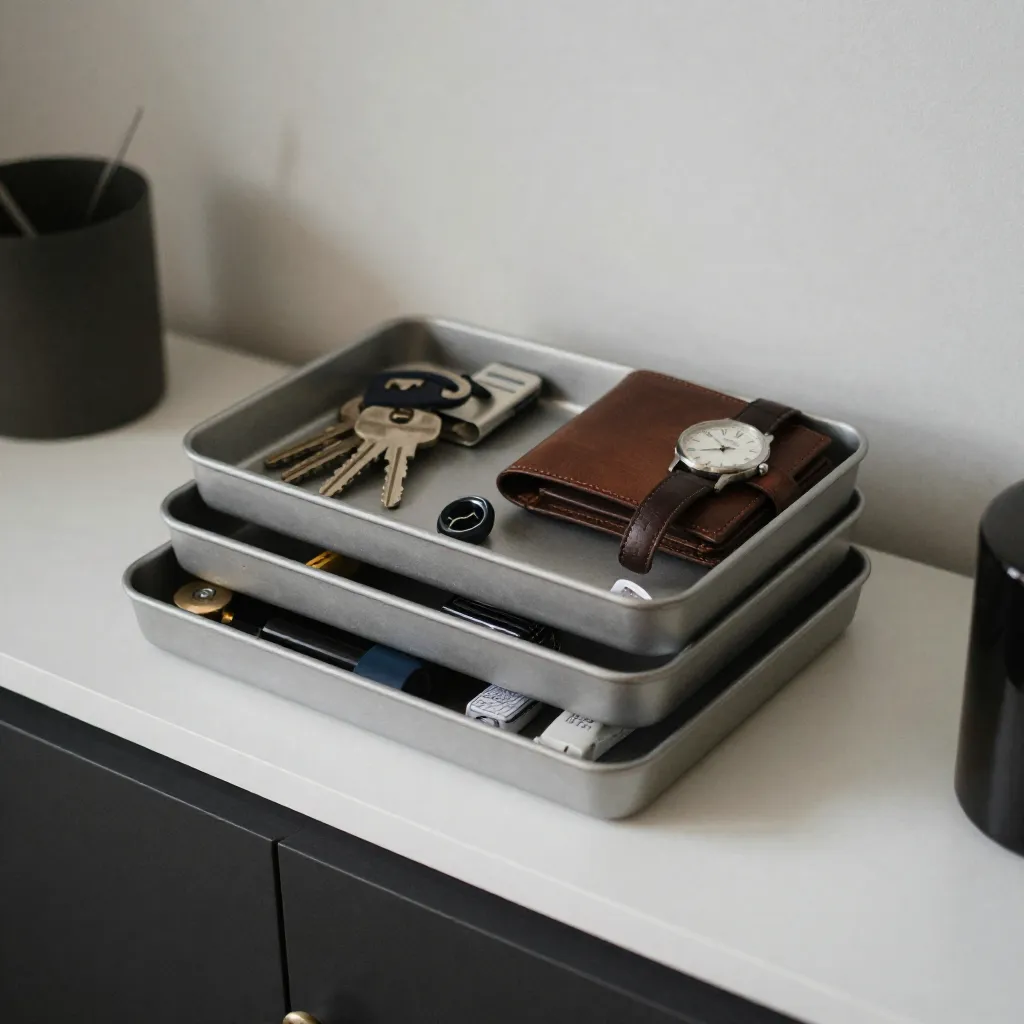
Square Trays
Precise angles create defined boundaries. Each corner serves as an anchor point for organization.
The square form provides maximum efficiency within minimal space. Every edge serves a purpose.



Rounded Trays
Curves soften interaction. The absence of sharp edges invites a more fluid arrangement of objects.
Organic forms create a sense of movement even when static. The eye follows the curve naturally.
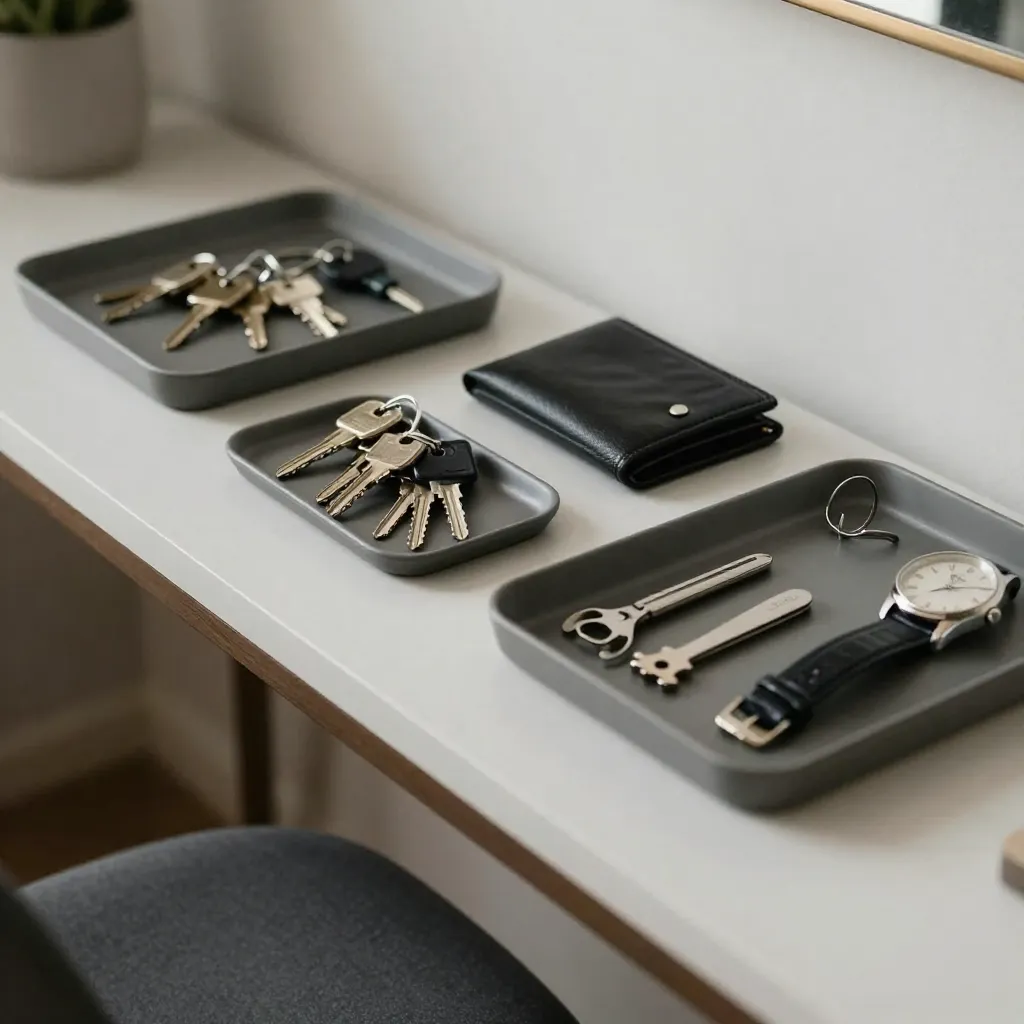


Asymmetrical Trays
Intentional imbalance creates visual interest. Form follows function while allowing for creative arrangement.
Asymmetry challenges expectations while maintaining function. The unexpected becomes the defining characteristic.
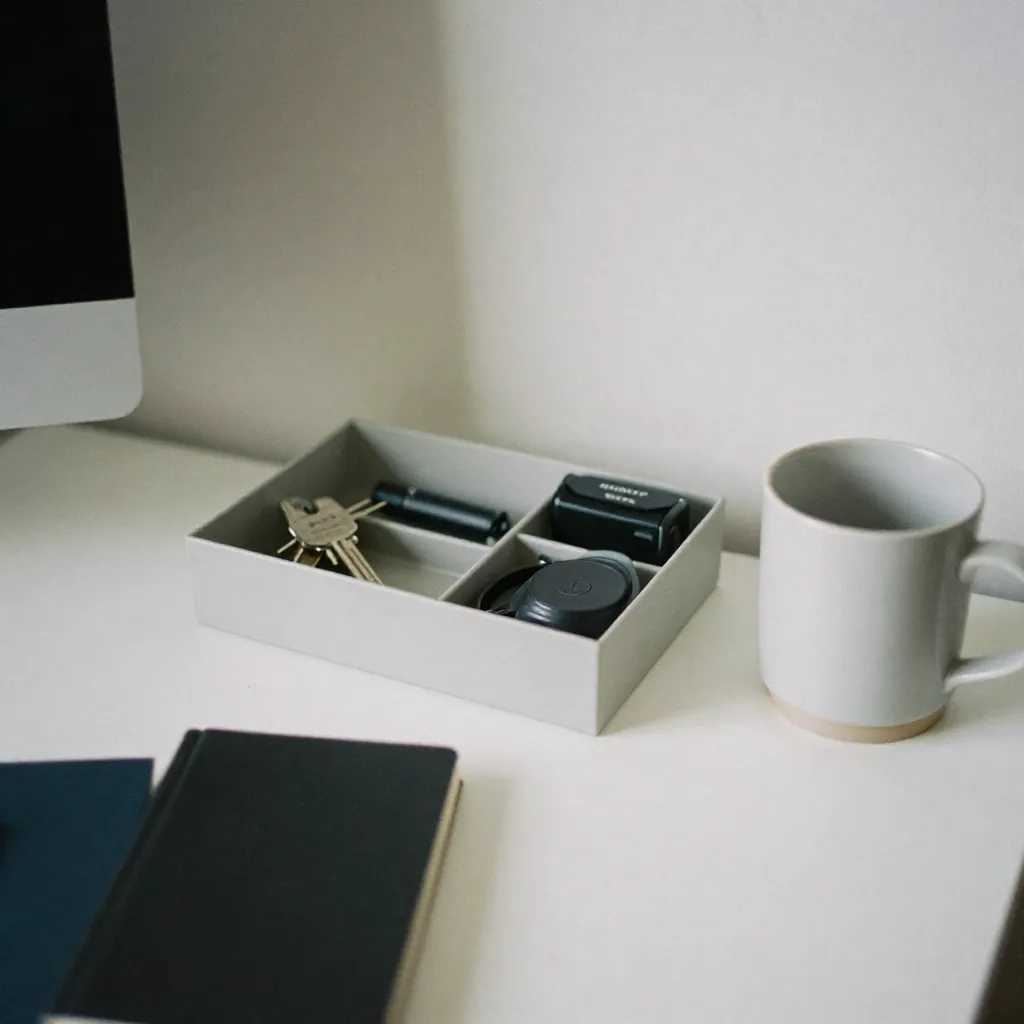



Geometric Variations
Exploring form through different perspectives reveals how geometry influences function and aesthetics.
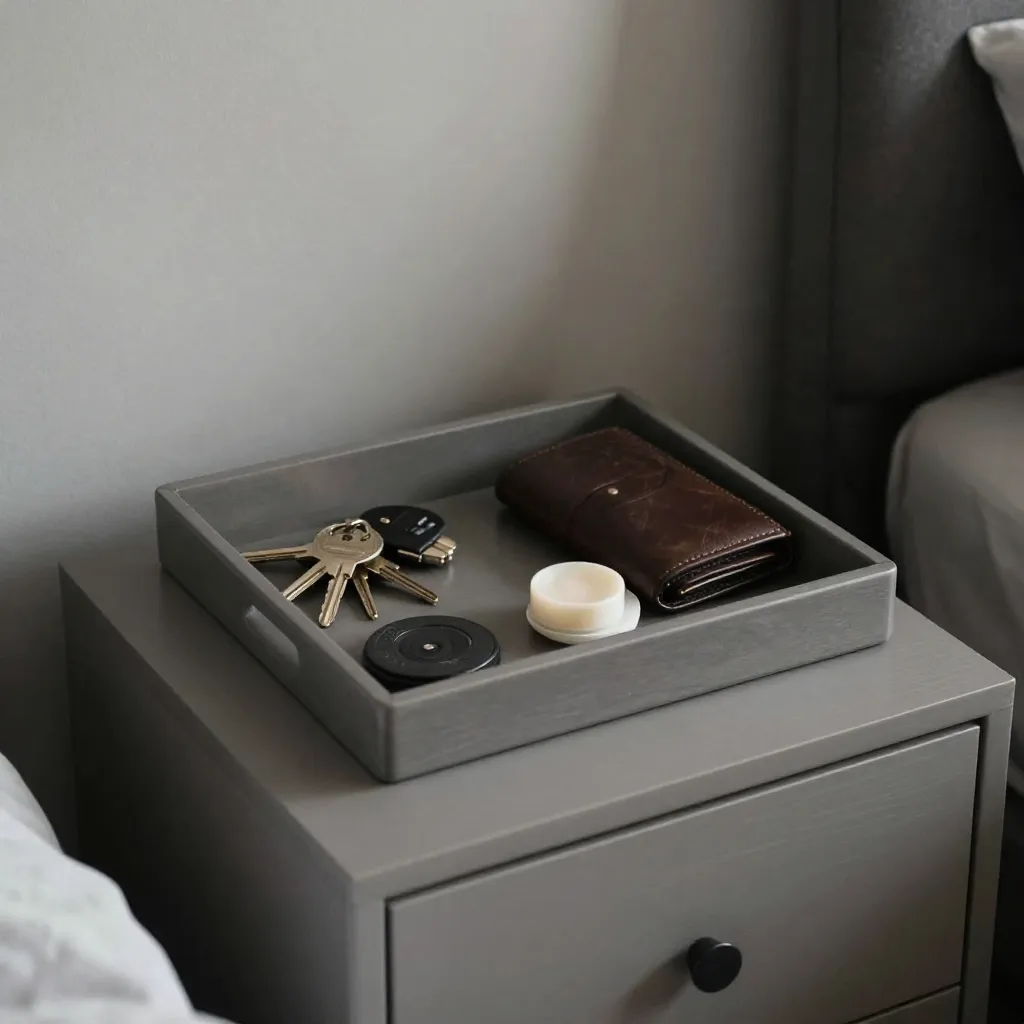



Design Process
Form emerges through iterative refinement. Each iteration brings the design closer to its essential expression.
The relationship between geometry and function becomes clear through testing and refinement. What works visually must also work practically.